While I’m certainly excited about the newly-revamped tcj.com, it is with mixed emotions that I note that this event has apparently precipitated the demise of the (in)famous Comics Journal message board. Admittedly, it’s been a good while since I was an active contributor to the board and for sure there are others who can comment more knowledgeably about its history and general role in comicsdom–Tom Spurgeon’s writeup comes immediately to mind–but here are a few random thoughts.
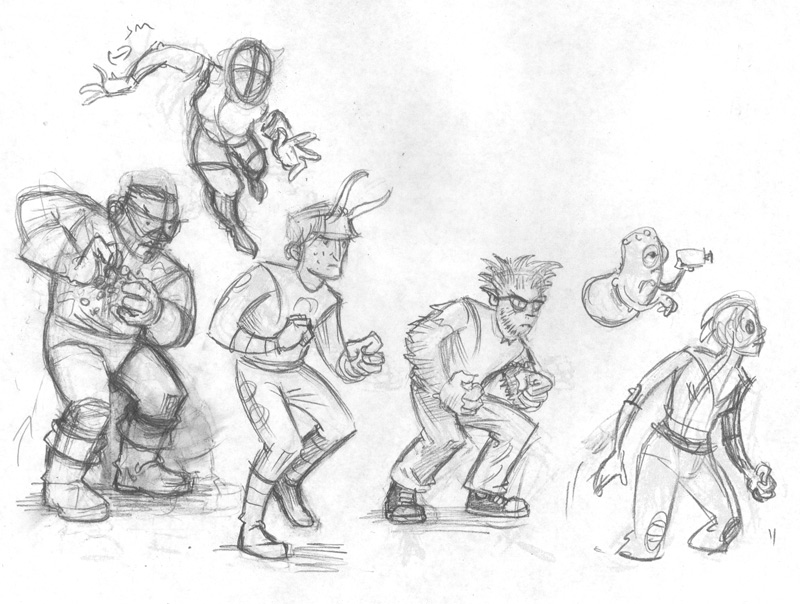
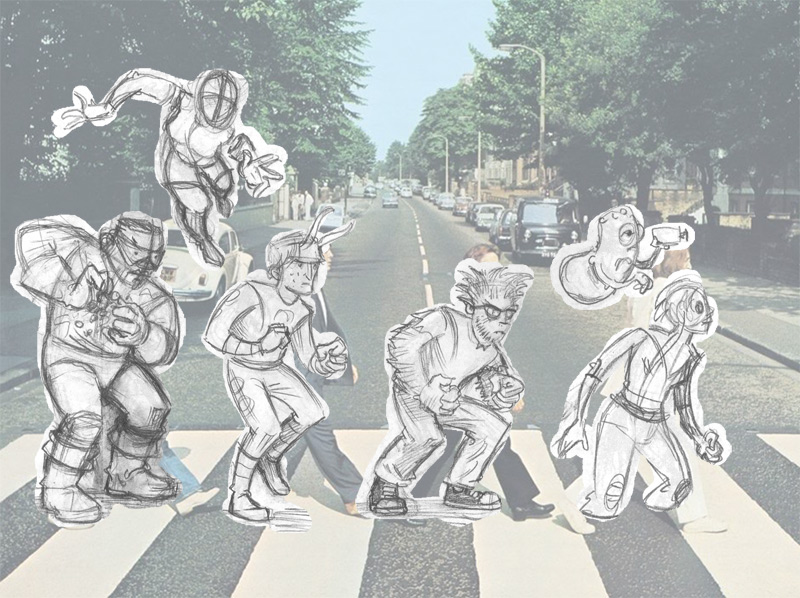
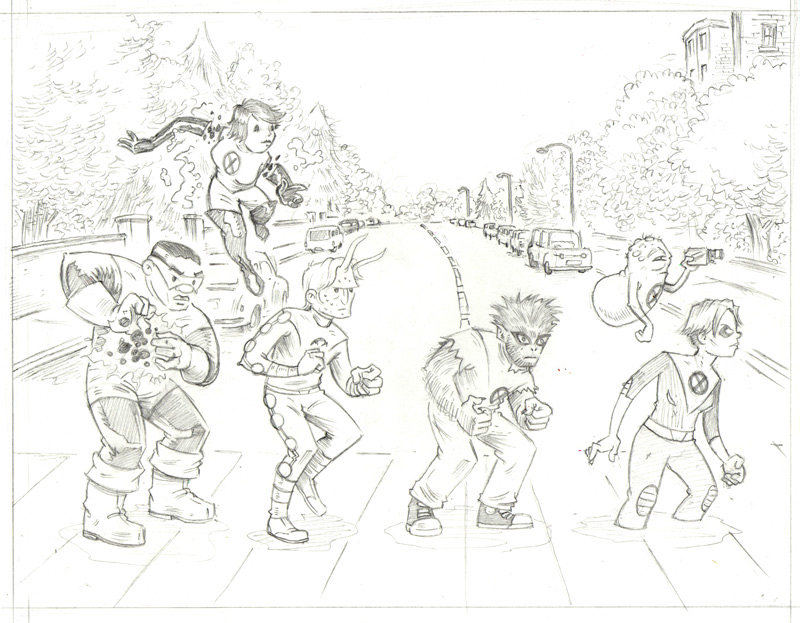
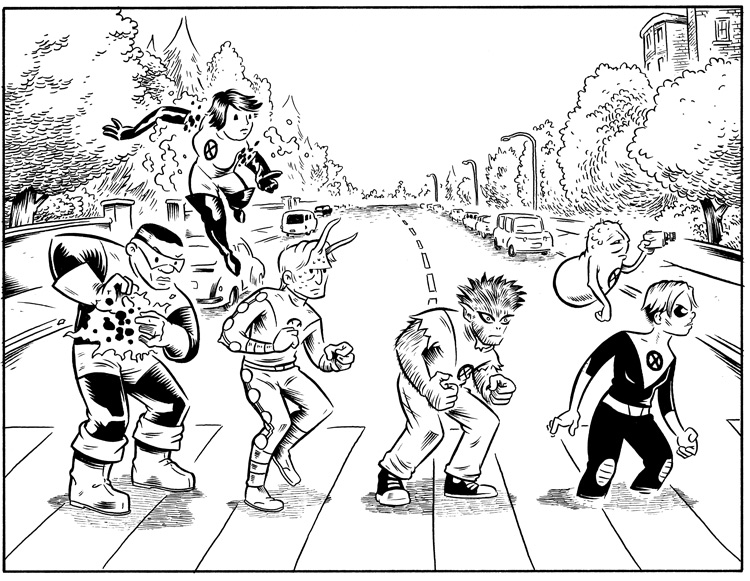
 (Pictured here left to right: TCJ message board regulars “Ray Tan” and Ed Gauthier)
Sean T. Collins over at Robot 6 makes a hilarious but apt comparison of the board to Star Wars’s “Mos Eisley spaceport”–a sort of wild west frontier town in space. That the first thing that comes to one’s mind about the board is its free-for-all nature isn’t really surprising. Through the years the message board has gone through various periods of being somewhat moderated (basically just enforcing a “real names only” rule, and making people stay on comics-related topics) and being pretty much totally unmoderated, as it seemed to be in the last year or two of its existence. (And the “real names” rule really just boiled down to being a “vaguely-real-sounding name” rule anyway.) From what folks can glean at this point, it looks like the new TCJ.com will move to a system similar to the current editors’s previous site, the excellent ComicsComicsMag.com where authors post articles and then feedback (if allowed at all) will be in the form of blog comments, moderated both by the site editors directly and by a Reddit-like up/down vote system. There are certainly many who are applauding this decision, but personally I’m not so sure.
 (Film still courtesy of Mark Masterman. Join the Conspiracy!)
Sure, all other things being equal, civil discourse is preferable to the petty bickering, ridiculous flame wars, and obvious sock-puppetry that’s endemic to pretty much any message board (absolutely, positively including the TCJ board), but the point is: all other things aren’t equal. With the fading of the venerable online message board–specifically the TCJ board, but generally just the format itself–and its replacement by the blog/comments format comes an entirely different paradigm: that of the authority, the article-poster himself who hands down thoughts from on-high (and given the editorial lineup at the new TCJ.com, I’m reasonably safe using “him” here) and the responder, the reader who passively receives this information and then is allowed to post brief reactions to it.
 (Pictured here: occasional board interlocutor/recent Daily Show guest, Bosch Fawstin)
There are big plus sides to this setup for sure. If you visit a site like ComicsComics that employs this sort of system you’ll see a pronounced lack of a lot of the stuff that made the TCJ boards justifiably notorious. And to be clear, I couldn’t be more excited about relaunch of TCJ.com with the crew of people currently on-board editorially. The bit of trepidation–and dare I say, sadness?–I feel about the ending of the old message board is I guess just a general wariness a the swapping out of the bazaar for the cathedral, so to speak. While the heterogeneous user roles and the (potentially) tight comment moderation of the blog/comment format make for more pleasant reading, it’s often the case that the things that are the most cogent are not the things that either the “authorities” or popular opinion necessarily recognize as such right out of the gate. The internet has made instantly-accessible an incredible wealth of information, but at the same time it has made it incredibly easy for us to pick and choose what information we receive–and we too often choose to surround ourselves with thoughts and opinions that mirror our own. While there were many, many (many!) times that I’d read posts on the old TCJ board that would make me long for a pair of white-hot butter knives to stick in my eye sockets, there are also many many amazing comics, interesting takes on things in the comics world, new cartoonists, and of course just plain entertaining bickering I’d have never experienced except for the “Mos Eisley-esque” chaos of the Comics Journal message board.
I can’t wait to start digging in to some of the upcoming writing on the new TCJ.com, but I wonder if anything posted there will ever give rise to exchanges like this gem–a discussion about the gigantic, super-produced, super-expensive indie comics/art comics anthology, Kramers Ergot 7:
Andrei Molotiu: Next Kramer’s Ergot? I was thinking about how the next Kramer’s Ergot is going to be the size of the Little Nemo book or something, and I can hardly wait to see it. Any news on when it’s supposed to come out?
COOP: Sammy told me that the new KE is printed on thin sheets of plywood, and will unfold into a full-size Chris Ware-designed hillbilly outhouse. They have just signed an exclusive distribution deal with Home Depot.
COOP: Can I mention that each issue comes with a dried corncob, hand silkscreened by Jordan Crane?
Rest in peace, Comics Journal Message Board. We’ll miss you. Kind of.


 If you’d like to suggest a #portraitnight subject, you can do so either via the comments section here, or via my Twitter.


Recent Comments