
 If you’re even tangentially involved in comics you’ve heard by now of the passing of Jean Giraud, better known as Moebius. Moebius was one of the last living giants of the comics field (Robert Crumb being the only other one I can think of off the top of my head) and despite his having been ill for some time, news of his death yesterday sent shock waves through the comics community. You can find plenty of places online that provide a far better retrospective of his life than I could–here’s a solid writeup at The Beat and here’s a great roundup of Moebius videos at The Comics Reporter–but one thing Moebius-related that I was involved in that came immediately to mind when I heard the news was the panel that Craig Fischer and I did at last year’s Heroes Con, Master of Screaming Metal: A Tribute To Moebius.
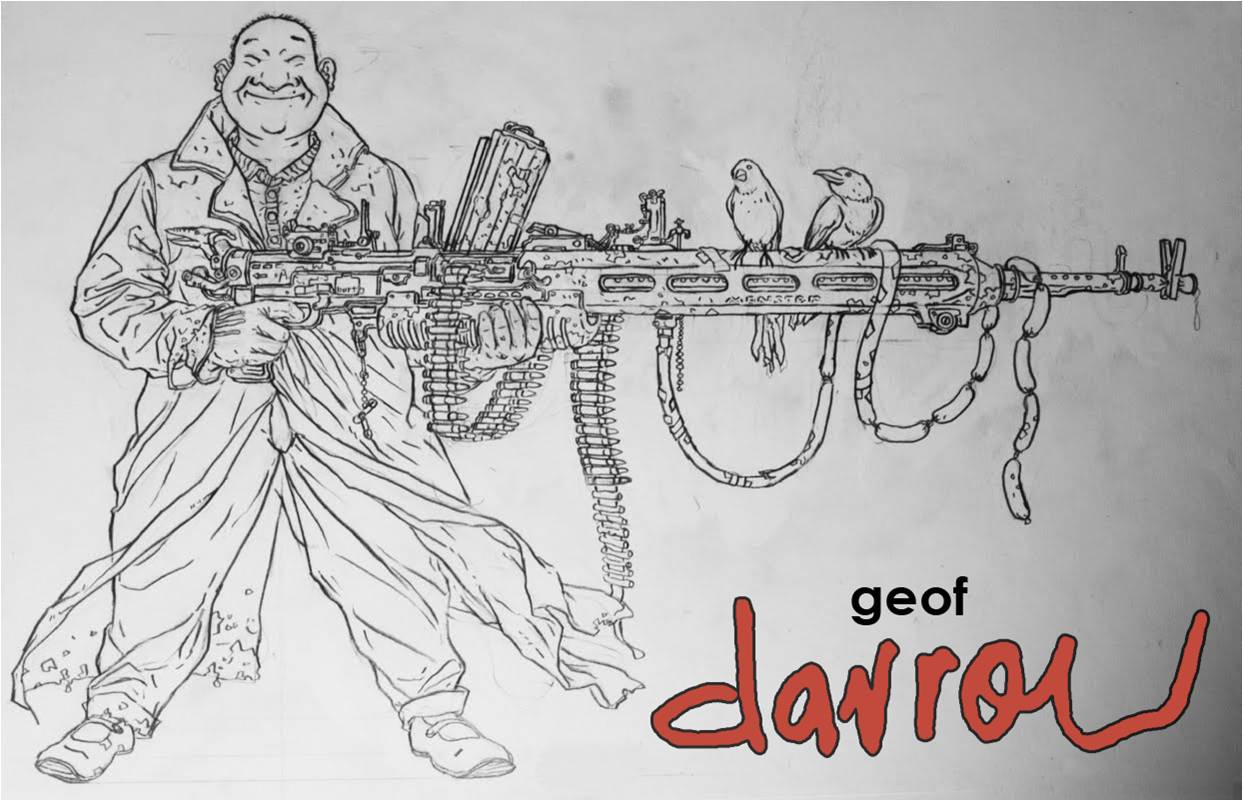
Among the components of the panel was cartoonist and Moebius collaborator Geof Darrow discussing his career and his involvement with Moebius. I was pretty sure Darrow’s talk had been recorded, but when I searched for it online I couldn’t turn it up. I contacted the folks at The Dollar Bin podcast, who run audio/video at Heroes Con, and Adam was nice enough to dig through his archives, find the audio from the Darrow talk, and post it yesterday (thanks, Adam!). So, here posted for the first time is Geof Darrow discussing Moebius. He touches on everything from Moebius’s oft-glossed over involvement with a religious cult to his early infatuation with Robert Crumb:
The Dollar Bin – Master of Screaming Metal: A Tribute to Moebius



Recent Comments